 Biohazard
 Community · 11 May 2026 · 6 min
Cannabis Associations and Creative Communities
How private associations became hubs for creative culture.
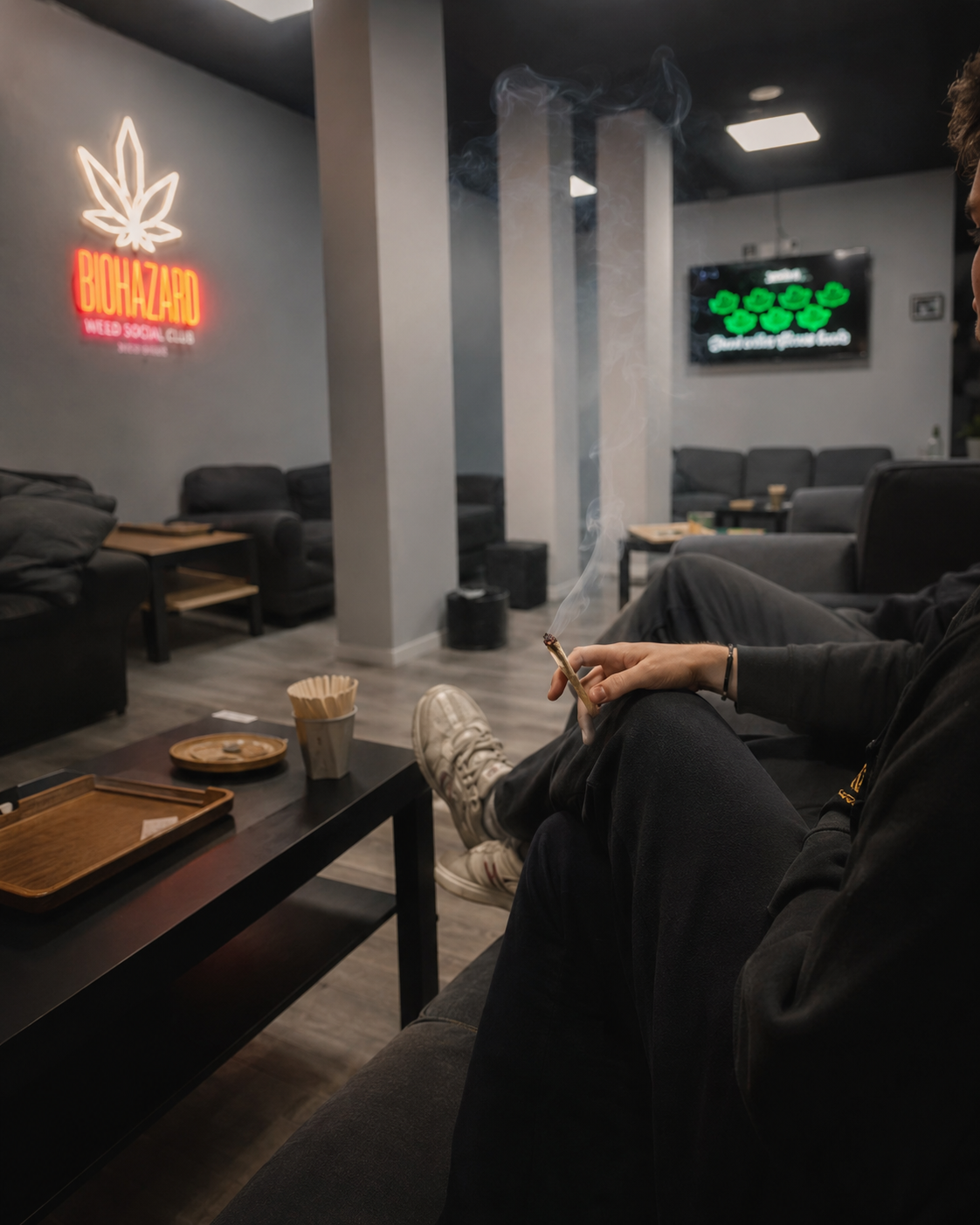
Cannabis associations in Spain are not businesses. They are non-profit membership organisations, legally constituted as associations under Spanish civil law. This distinction shapes everything about how they operate and who they attract.
Because they are not profit-driven, they are not optimised for throughput or market share. They are optimised — at least the good ones are — for the quality of membership experience. This makes them structurally different from commercial venues, and it produces a different kind of culture.
Creative communities tend to cluster in non-commercial spaces for exactly this reason. When a venue is not trying to sell you something, it can afford to be slower, stranger, more specific. The programming can follow genuine interest rather than commercial viability.
In Madrid, cannabis associations have become genuine community hubs for artists, musicians, designers, writers and the various people who move between these worlds. The membership model means that the room tends to contain people with real identities and real stakes in the community, rather than anonymous consumers passing through.
This matters for the culture that forms. Communities built around shared interest and mutual recognition produce different kinds of creative exchange than events built around commercial transactions.
The legal framework in Spain — which permits private associations to cultivate and distribute cannabis collectively to members — was designed to recognise this community reality. The framework is imperfect and subject to ongoing legal debate, but its underlying logic acknowledges that cannabis consumption happens in social contexts, and that those contexts can be organised responsibly.
Associations that take this seriously invest in their community. They curate membership. They create programming. They maintain spaces that members actually want to spend time in. The associations that do not take it seriously tend to feel like shops with a legal workaround.
Biohazard was built around the community model. The space reflects this — it is designed for staying, for conversation, for the kind of evening that does not have a clear endpoint. The membership reflects it too: people are here because they want to be part of something, not because they want access to a product.
Creative communities need places to gather. The best cannabis associations in Madrid have become some of those places, almost by accident — or rather, by the logic of what happens when you create a non-commercial space with a vetted community of interesting adults.
Ready to be part of the Biohazard community? Request private membership information through our members portal at /request-access.